Private Music Instruction
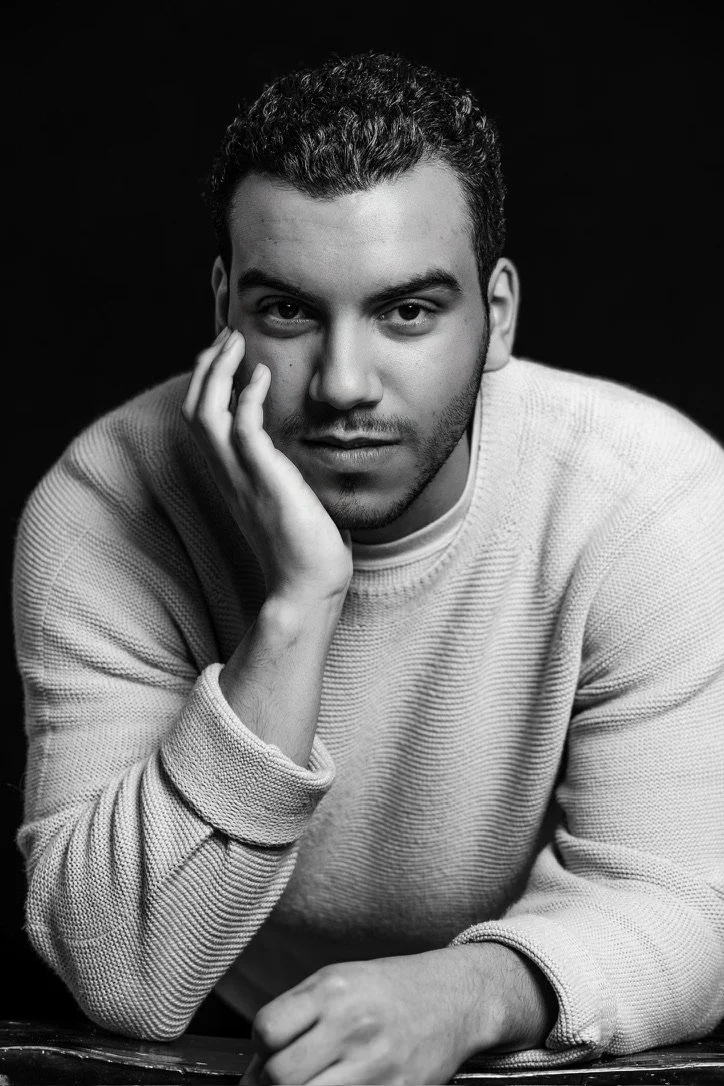
Rubén Dario
Rojas-Marquez
Personalized lessons in Guitar, Piano, and Vocals.
All levels, ages, and backgrounds welcome.
Background in Jazz, Classical, R&B, Finger-style, Blues, Rock, Folk, Music Theory and Improvisation.
Professional instrumentalist with extensive experience playing and singing together.
Localized in Santa Monica, California.
Associate of McCabe’s Guitar Shop Music School
Teaching Philosophy
Learning music is a personal experience that is different for every individual. Music is a vast landscape to learn from, and each person has different interests. Whether it is music theory, chord harmony, improvisation, reading ability, repertoire, finger-style, Salsa, Bach, or Jazz, each subject has something that can help your growth as a musician.
I try to create a curriculum that encompasses what each individual student is curious to learn. In a more general sense, I always try to incorporate short-term easier pieces, long-term more difficult pieces, technique practices, and applicable theory practices. This approach has been shown to help my students build a comprehensive understanding of their instrument that allows them to play what they want, how they want.
All it takes is time and consistency. I try to emphasize the patience one must practice when learning an instrument. Many measurable developments in your playing will happen gradually without you noticing the immediate moment you get better. There will be days where you sit down to play and just realize, "Woah, I can actually do that now!"
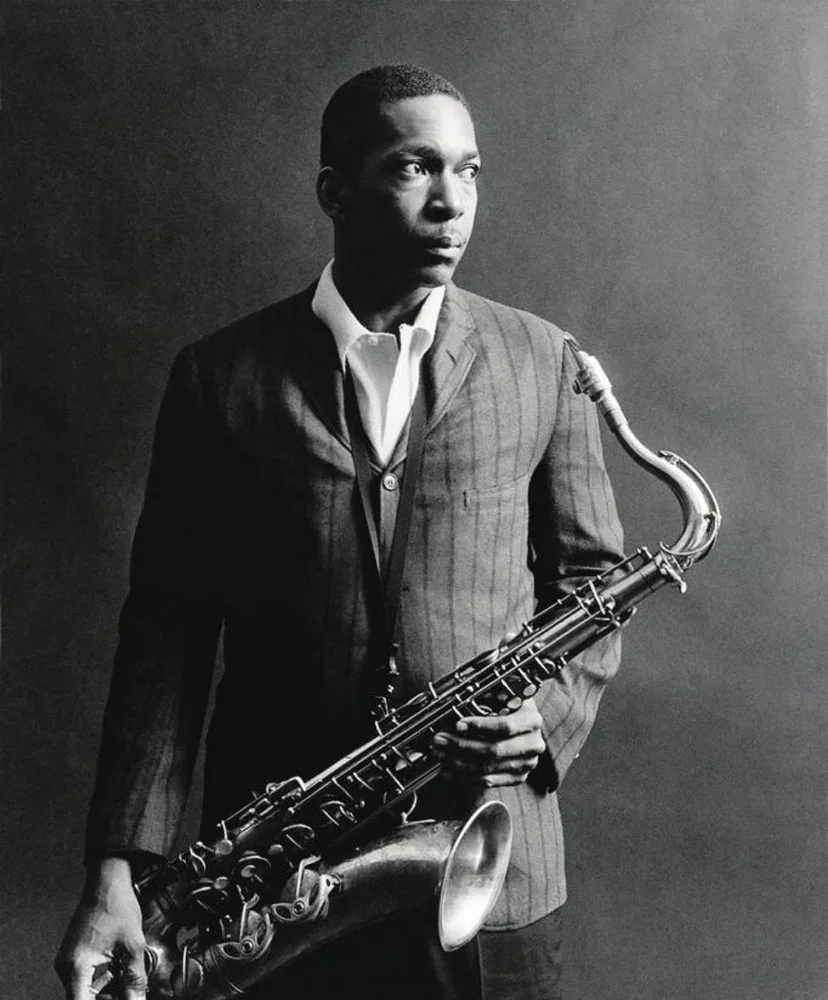
"I think that music, being an expression of the human heart or the human being itself, does express just what is happening. The whole of the human experience at that particular time is being expressed. In any situation that we find in our lives, when there's something that we feel should be better, we must exert effort to try and make it better. So it's the same socially, musically, politically, in any department of your life."
John Coltrane